I took some cyanotype coated paper to the beach and made photograms using found objects. The images were developed in the lake water and dried hanging in the trees.


I took some cyanotype coated paper to the beach and made photograms using found objects. The images were developed in the lake water and dried hanging in the trees.
I have been making tri colour gum prints lately. These are from a series titled “Small Stories” and are digital pinhole photographs.


I have been shooting Arista Ortho Litho Film 3.0 in my Zero Image 45 pinhole camera. I had been developing in Dektol 1:30 but found the contrast to be a little high. This time I exposed at an ISO of 3 and developed for 3 minutes in Dektol 1:10 with added Potassium Bromide as a restrainer. The images could have used more exposure but overall I am pleased with the results.


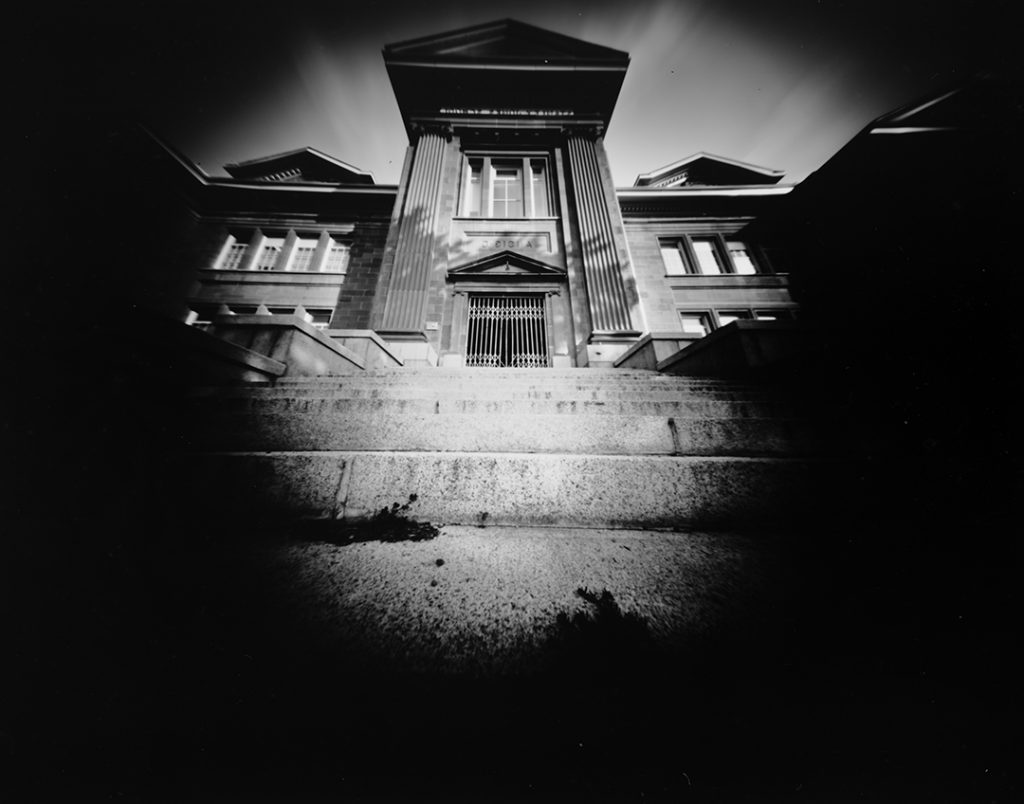
Continuing to print from the archives. The following are zone plate images take with a digital camera. Printed with two layers of ivory black and two layers of burnt umber. The images are perhaps a little less defined than I had intended..
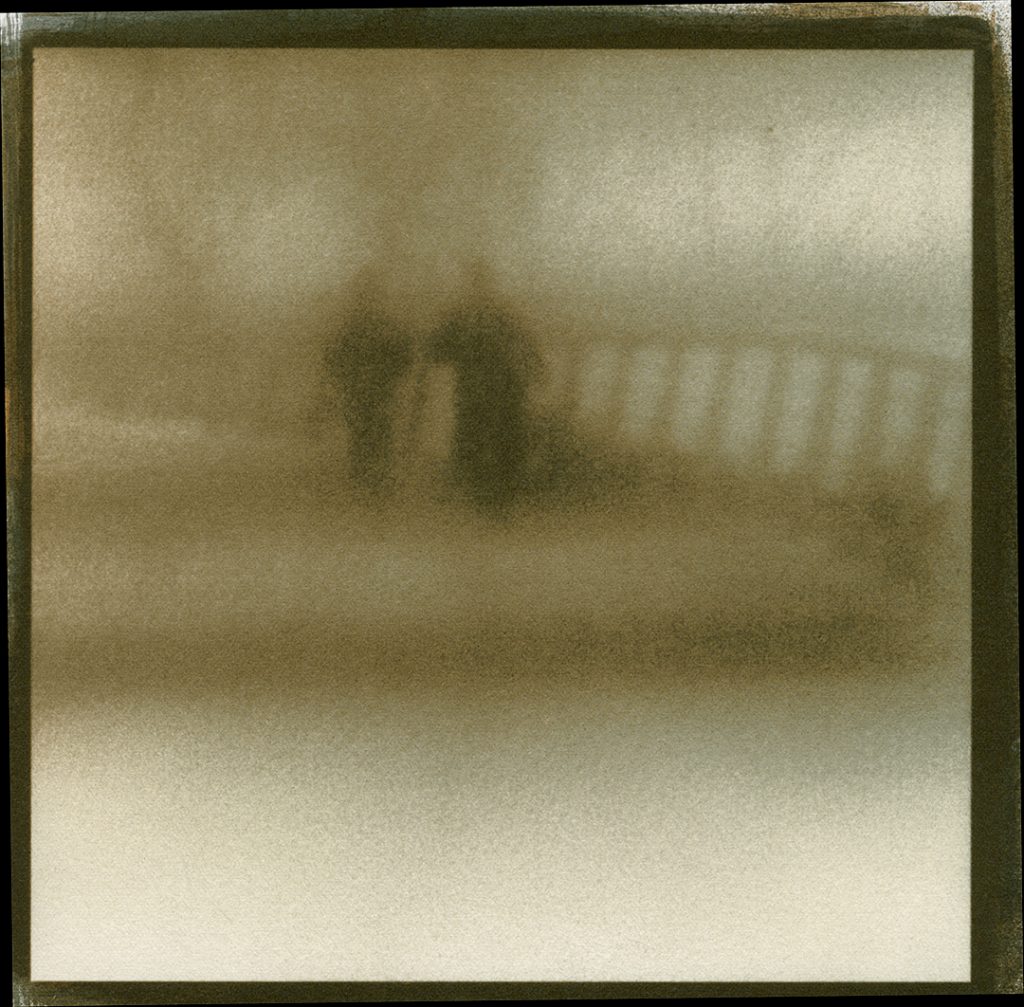


I have been printing some of the images from the “Quiet Light” series as gum bichromate prints. Printed on pre-shrunk and sized Fabriano Artistico watercolour paper using potassium dichromate as the sensitizer. I usually print a weak layer of ivory black followed by a layer of burnt umber and finished with another layer of ivory black.

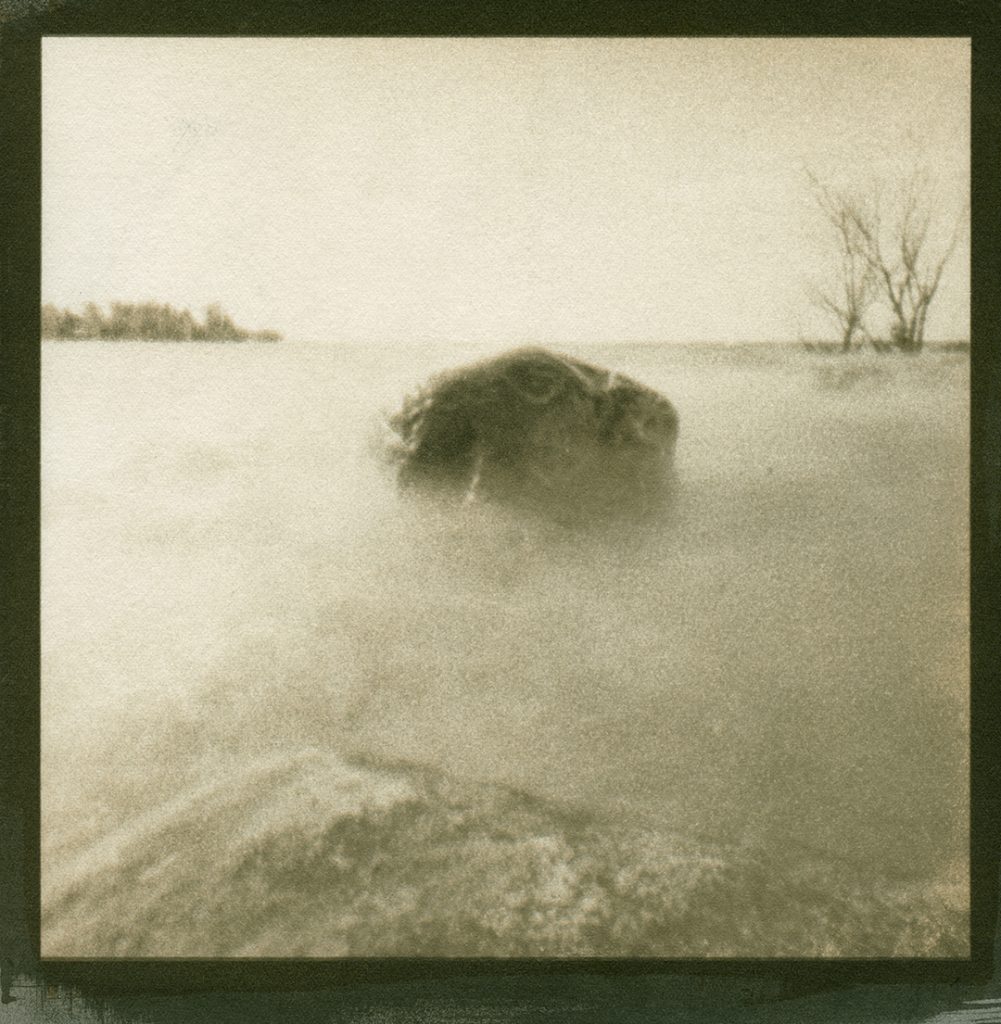
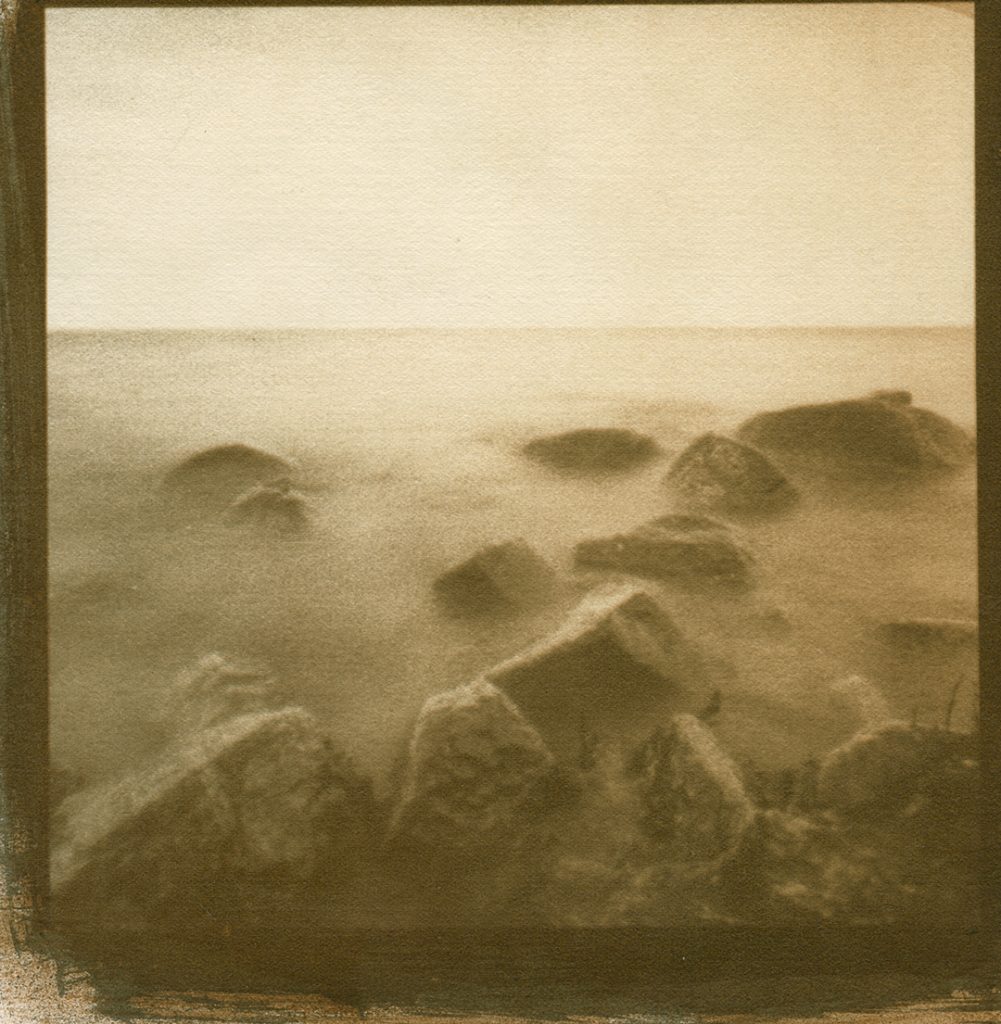

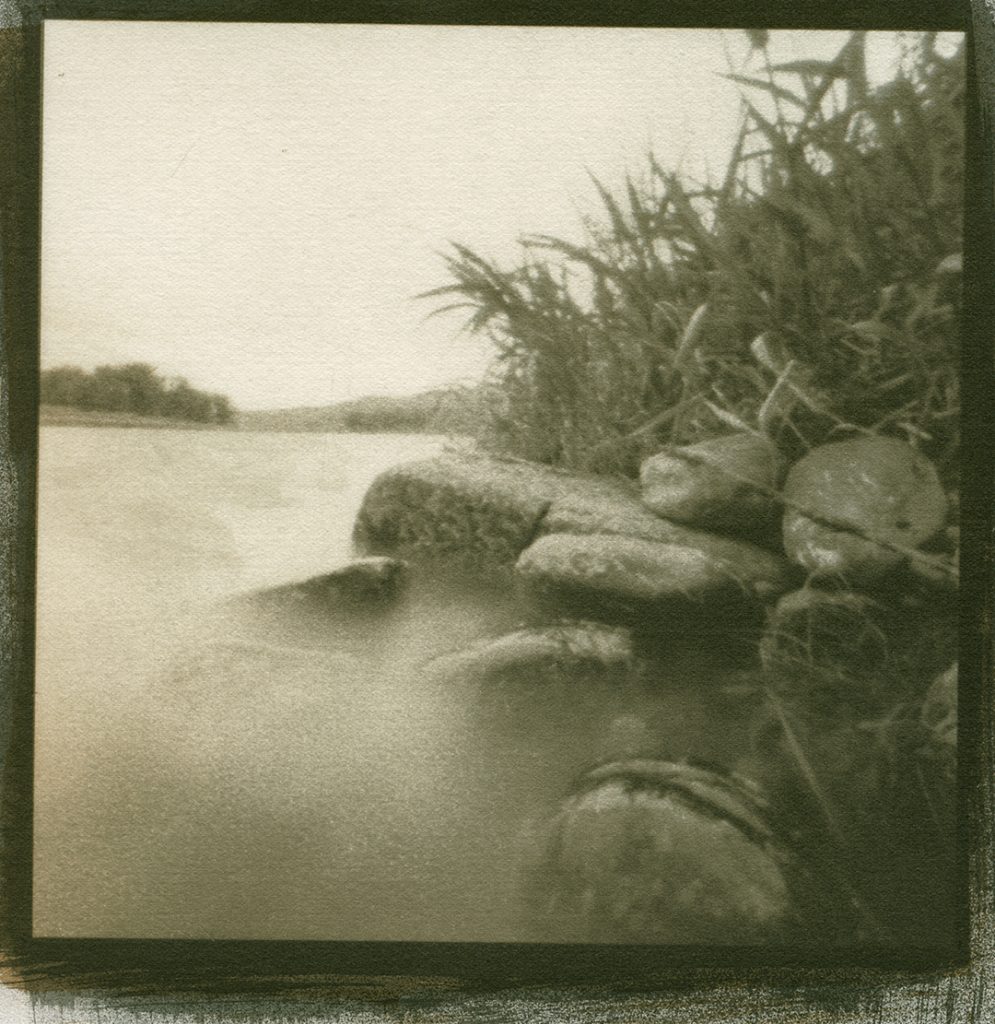
One of the unexpected benefits of the current situation is I now have the time to go through my archives. I discovered these zone plate images that I took 10 years ago and printed them as cyanotypes this week


The original colour image is separated into RGB channels and a digital negative is made of each channel.
Pre shrunk and sized watercolour paper is coated with a mixture of potassium bichromate, gum arabic and watercolor pigment.
The paper is dried ,exposed to UV light, and developed in plain water for up to an hour.
The steps are repeated for each color until the print is complete.

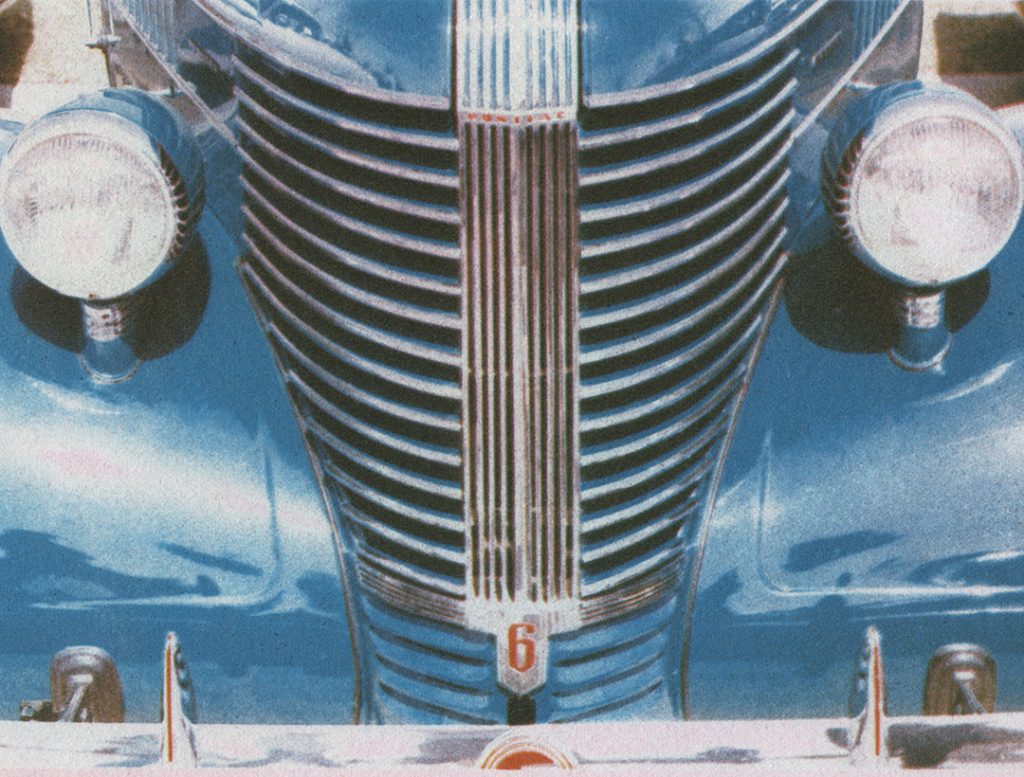
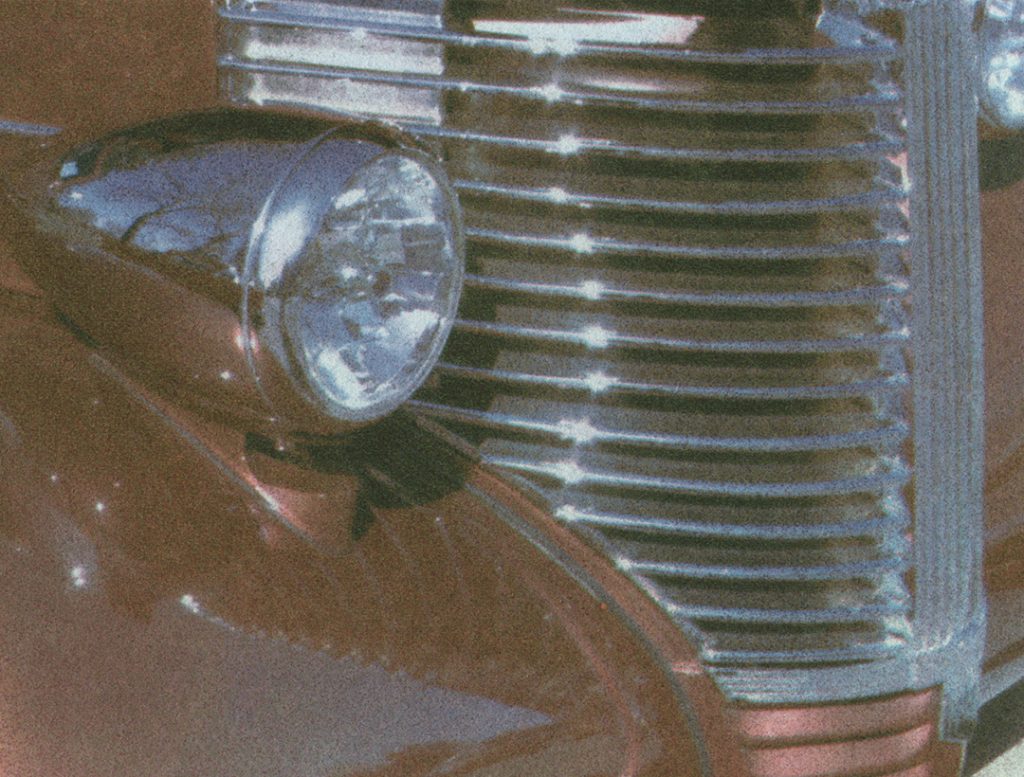
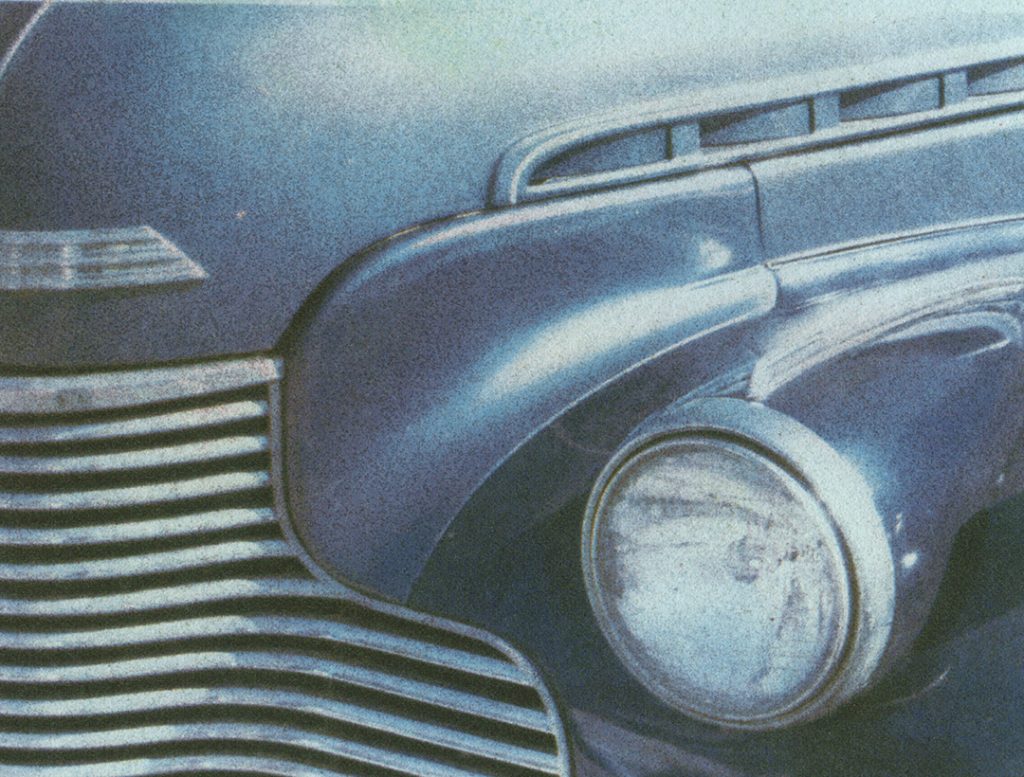


In this body of work I use a modified cyanotype process to create photograms of botanical material. The process incorporates added heat,moisture, and a very long exposure.
The plant material is sandwiched between the damp cyanotype coated paper and a sheet of glass and placed inside an insulated box in the sun for hours or days. This miniature greenhouse causes the cyanotype chemistry to breakdown and interact with the plant material, to produce colour shifts and patterns which are unpredictable, magical and create an alternative impression of nature.


Recently I purchased at a garage sale, about 1000 ft of expired 35mm bulk color slide film. All of it had expired in the 1990s. The majority of it was Kodak SO 366 slide duplication film and because I had the most it, I decided to test it first. The box speed was ISO 20 but I made a series of exposures at ISO 10 and film was cross processed in C41 chemistry. The results show that the film is still usable and I plan to use it in my pinhole cameras.
