I had a desire to work with circular images so I created a camera out of a tea tin and cut photo paper with a circle cutter to fit. In the end it proved to be more work than it was worth.


I had a desire to work with circular images so I created a camera out of a tea tin and cut photo paper with a circle cutter to fit. In the end it proved to be more work than it was worth.
I have a couple of images from the Quiet Light series in the show.


This anamorphic pinhole camera is made from a metal can with the pinhole at one end. I had the shutter 3d printed. The camera takes half a sheet of 8×10 photographic paper to produce the negative.


The original colour image is separated into RGB channels and a digital negative is made of each channel.
Pre shrunk and sized watercolour paper is coated with a mixture of potassium bichromate, gum arabic and watercolor pigment.
The paper is dried ,exposed to UV light, and developed in plain water for up to an hour.
The steps are repeated for each color until the print is complete.

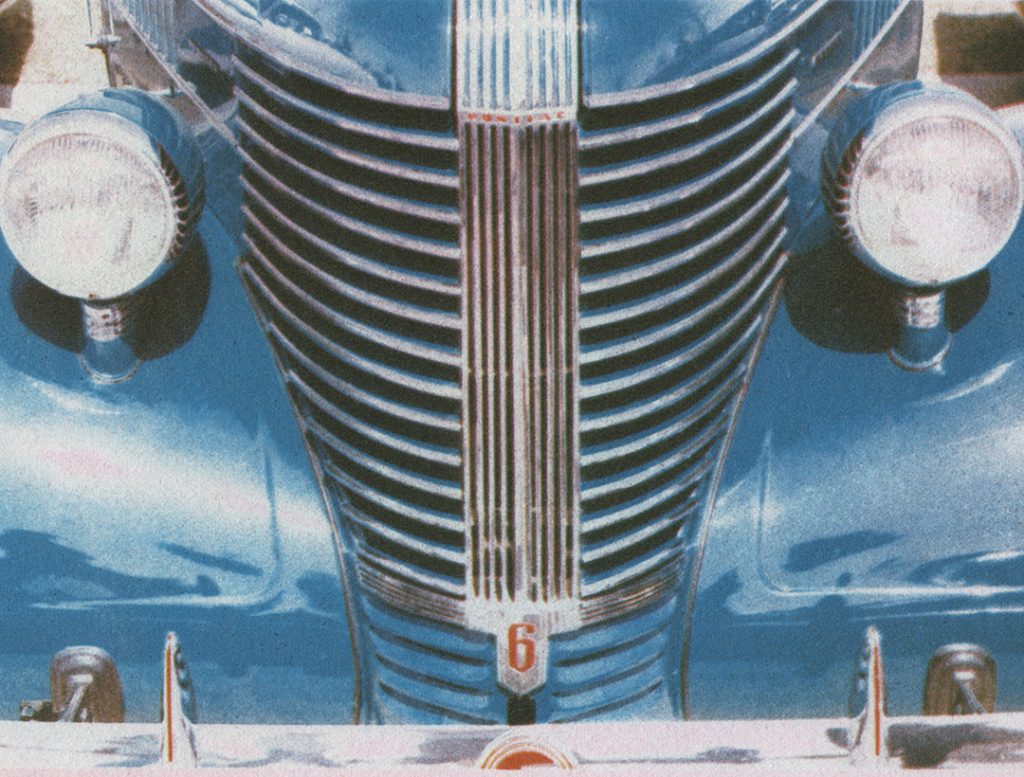
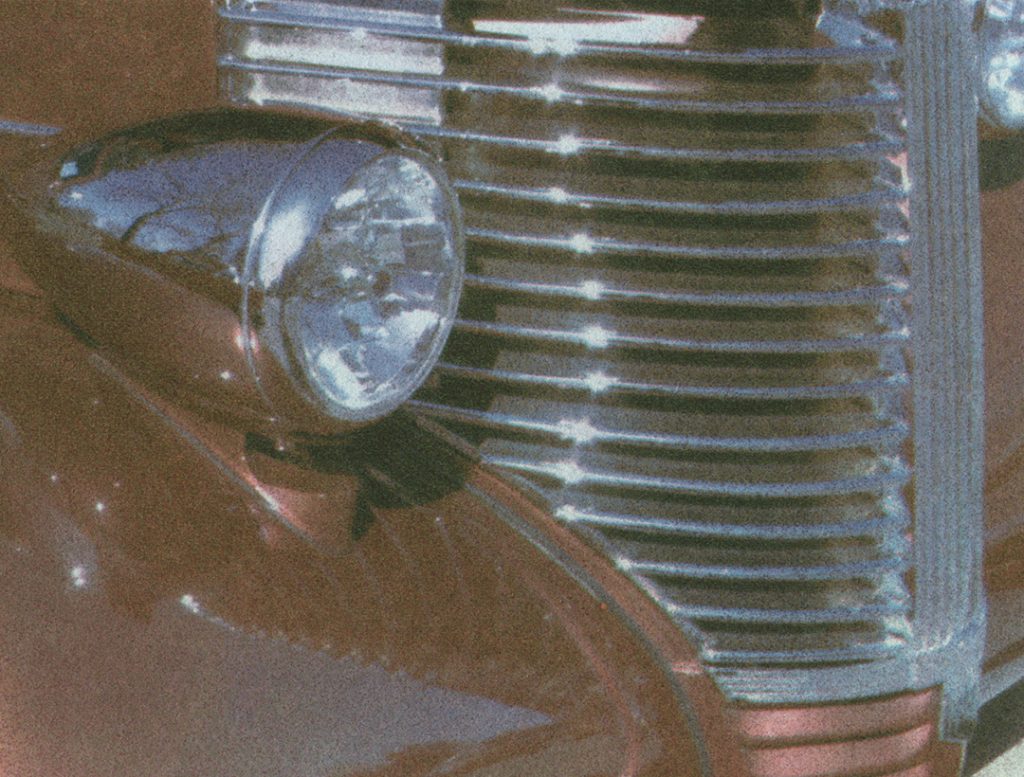
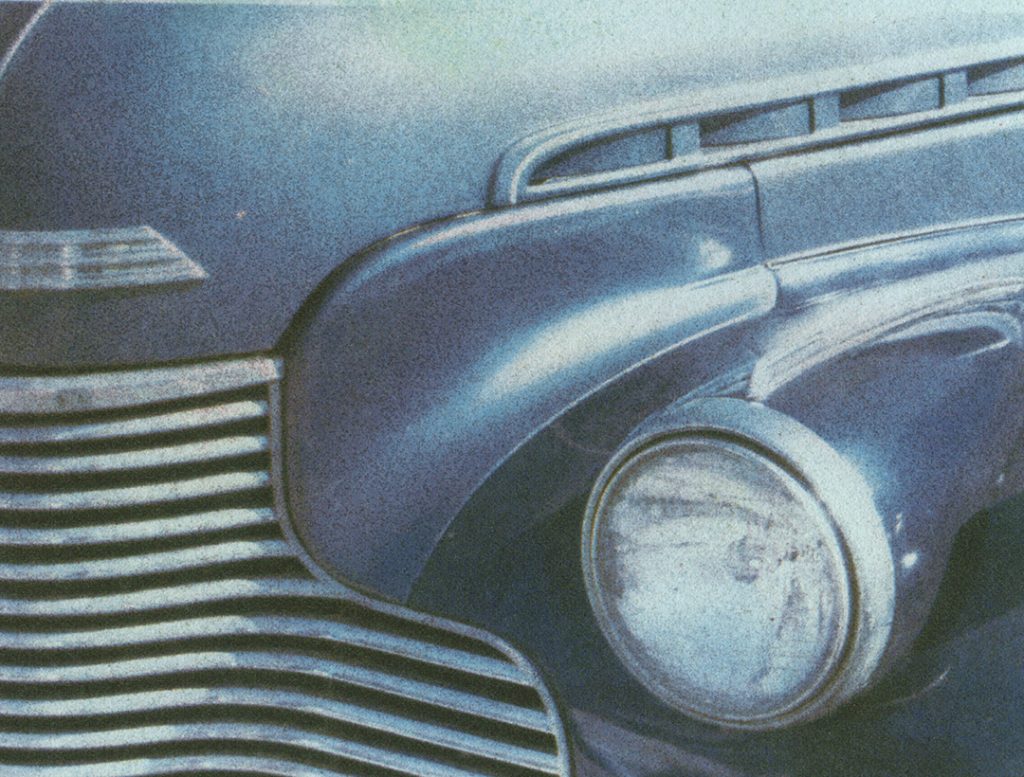


Images from the ongoing series “Monoliths”.


The Easy 35 was the second 3d printed camera that I had printed for me. The open source files can be found at: http://pinholeprinted.com/order/easy35/. I use it primarily with expired color slide film.


In this body of work I use a modified cyanotype process to create photograms of botanical material. The process incorporates added heat,moisture, and a very long exposure.
The plant material is sandwiched between the damp cyanotype coated paper and a sheet of glass and placed inside an insulated box in the sun for hours or days. This miniature greenhouse causes the cyanotype chemistry to breakdown and interact with the plant material, to produce colour shifts and patterns which are unpredictable, magical and create an alternative impression of nature.


